Kids cleaning tools vs toys can look surprisingly similar, but their real function, intended user, and retail position may be very different. Some products are made mainly for role play. Others can sweep crumbs, collect paper scraps, wipe a lightly soiled floor, or support an age-appropriate household routine.
Kids Cleaning Tools vs Toys: Three Product Categories
The first category is the pretend-play cleaning toy. It copies a familiar household task, but play is its main purpose and cleaning performance is limited or secondary.
The second category is the functional child-sized cleaning tool. It uses manageable proportions but still performs a real task, such as sweeping crumbs, collecting paper scraps, or wiping a small floor area.
The third category includes character-shaped household cleaning products. These items may be full-size and fully functional, while an animal shape or friendly color gives them stronger family and retail appeal.
Buyers should ask what the product can clean, who can handle it, where it will be sold, and how its intended use should be explained on the packaging.
1. Check the Real Function in Kids Cleaning Tools vs Toys
A small broom should not automatically be described as a toy. If its bristles can move dust and paper scraps and the matching dustpan can collect them, the set provides a genuine cleaning function.
The same test applies to mops and brushes. Review the working surface, handle connection, brush material, water contact, and the type of debris or dirt the product is expected to handle.
Clear wording is especially important for ecommerce. One customer may be searching for a working child-sized broom, while another wants a colorful role-play set. The comparison between kids cleaning tools vs toys should therefore be visible in both the copy and images.
2. Review Child-Sized Proportions and Handling
Useful child-sized equipment should be manageable during normal household or classroom routines. Handle length, grip thickness, total weight, and the angle of the cleaning head can matter more than simply reducing every dimension.
For Montessori and preschool channels, buyers often prefer a product that allows a child to complete a recognizable task. A broom should reach the floor naturally. A dustpan should be easy to position. A mop should move across a small area without becoming difficult to control.
Dimensions also affect carton planning and retail display. Buyers should confirm whether a listed measurement refers to the assembled product, product height, working width, or packaging size before requesting a final quotation.
3. Match Kids Cleaning Tools vs Toys to the Sales Channel
The same product feature can be presented differently across retail and education channels without changing the actual function.
- Montessori and preschool suppliers: focus on manageable proportions, practical routines, and whether the child can complete a real task.
- Toy and gift retailers: focus more on character shapes, color combinations, shelf appeal, and role-play value.
- Supermarkets and homeware stores: value household usefulness, compact storage, and products that may serve more than one family member.
- Online and private-label sellers: need clear images and descriptions showing function, dimensions, materials, and intended use.
This channel-based approach avoids vague statements. Instead of claiming that every item is educational or suitable for all children, the product page can explain the task it performs and the buyer group it fits.
Four Products That Explain Kids Cleaning Tools vs Toys
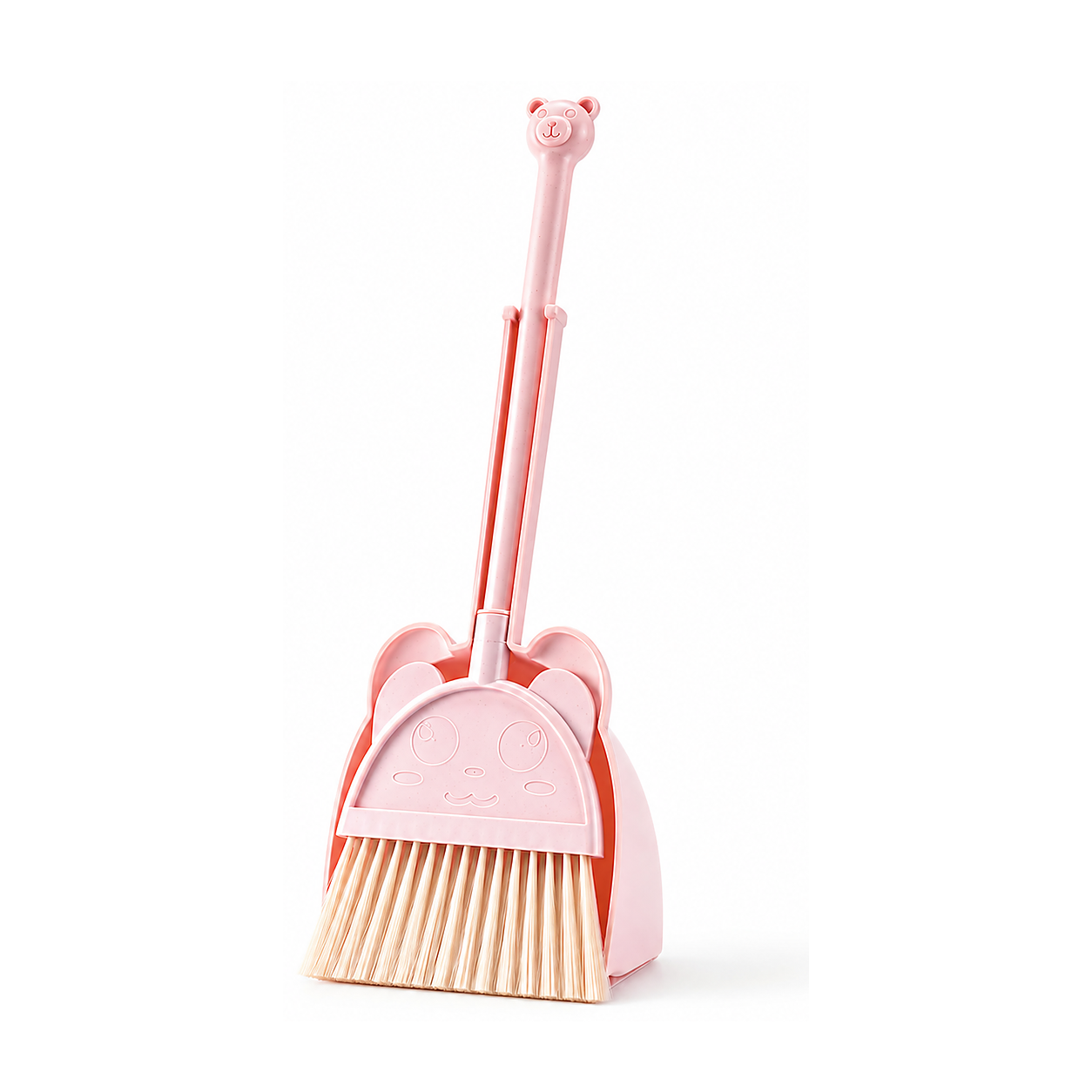
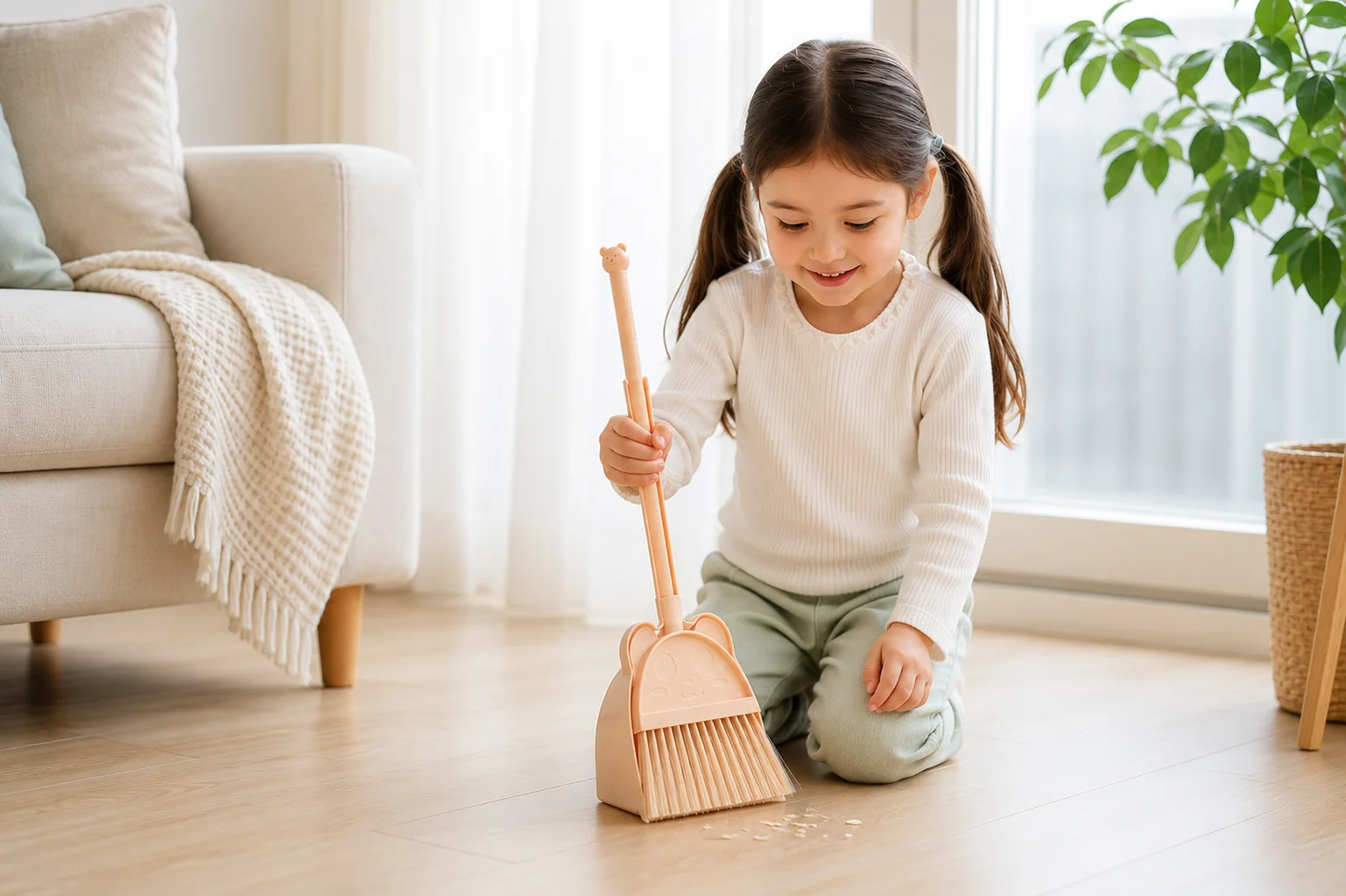
Practical Kids Broom and Dustpan Set
The MAYEV kids broom and dustpan set can sweep crumbs, dust, paper scraps, and other light household debris. Its compact proportions can also be useful for adults cleaning corners or small everyday messes.
Its practical design suits Montessori suppliers, preschools, supermarkets, household stores, online sellers, and private-label cleaning ranges.
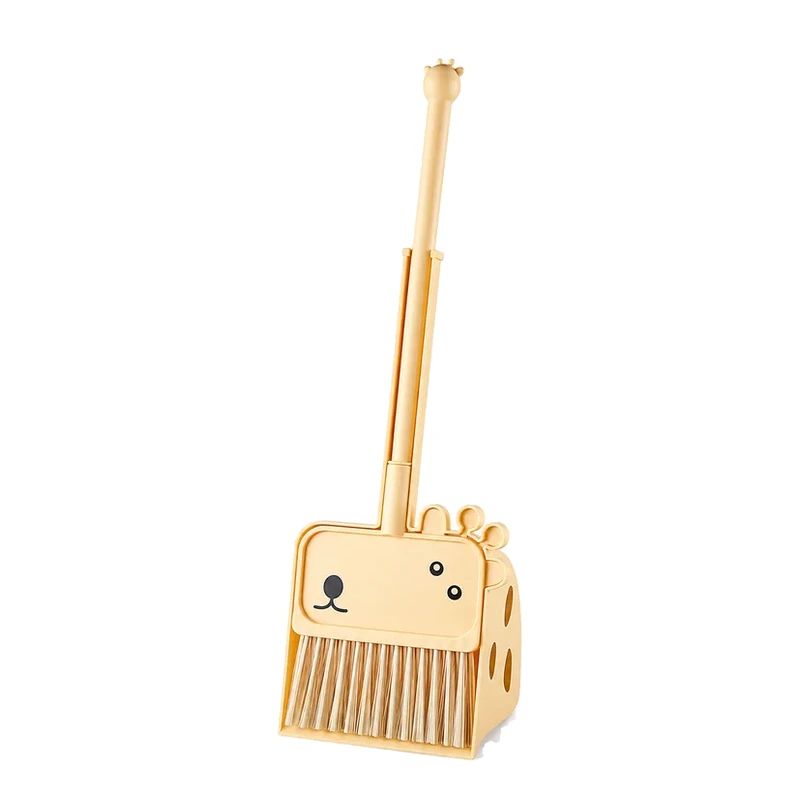
Character-Led Kids Giraffe Broom
The MAYEV kids giraffe broom performs a similar sweeping task, but its animal-inspired shape gives buyers a stronger visual story for toy aisles, gift displays, and themed children’s ranges.
The giraffe styling adds retail appeal without removing the product’s ability to collect light household debris.
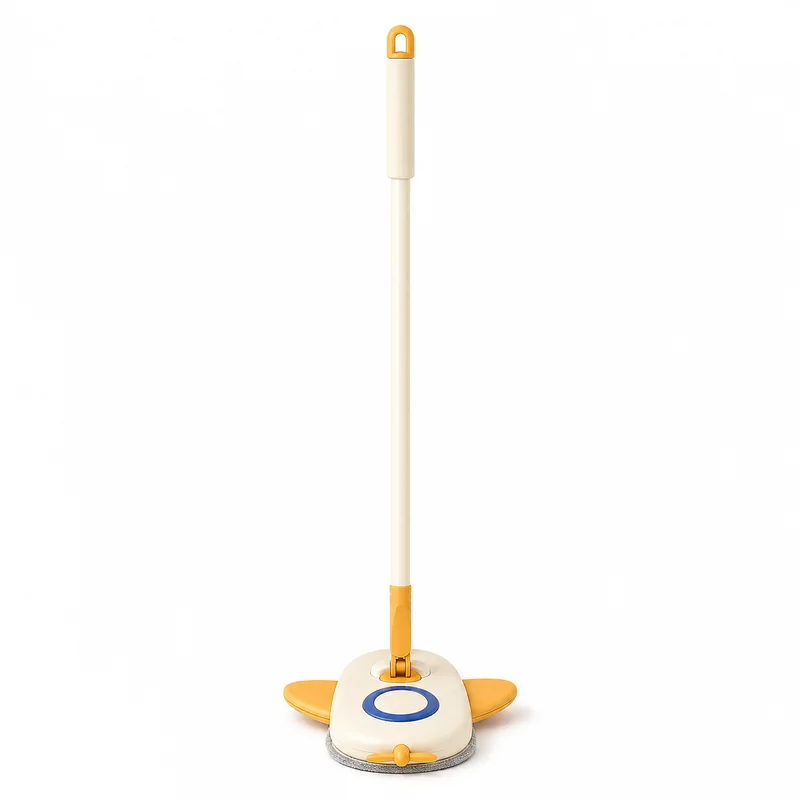
Kids Airplane Mop for Light Wet Cleaning
The MAYEV kids airplane mop expands a product range from dry sweeping to light floor wiping. It can contact water and has a real household cleaning function.
The airplane shape supports a playful presentation, while adult guidance remains appropriate because wet floors can become slippery.
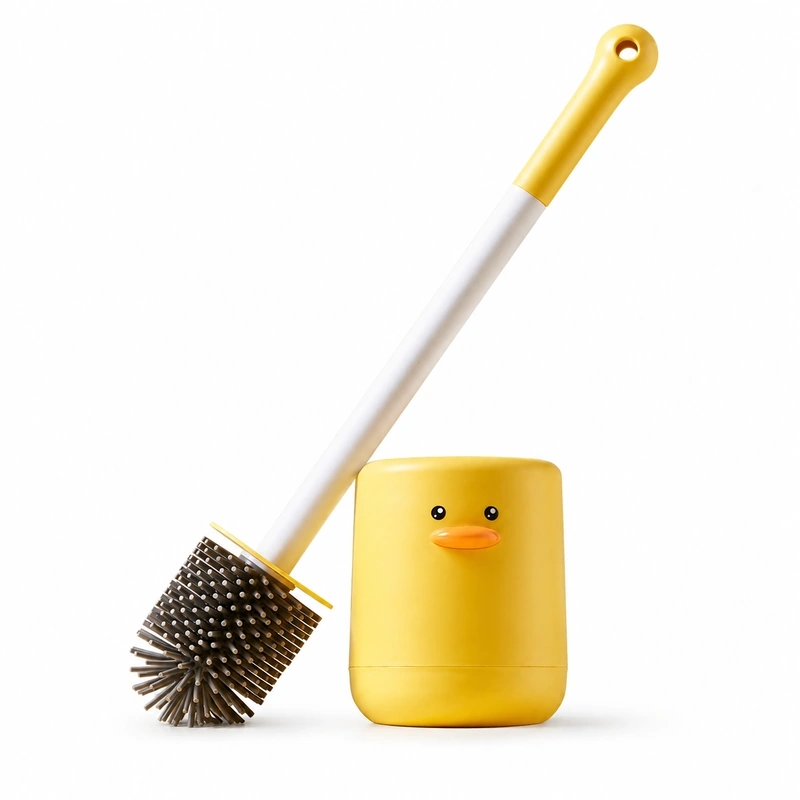
Yellow Duck Toilet Brush for Family Chores
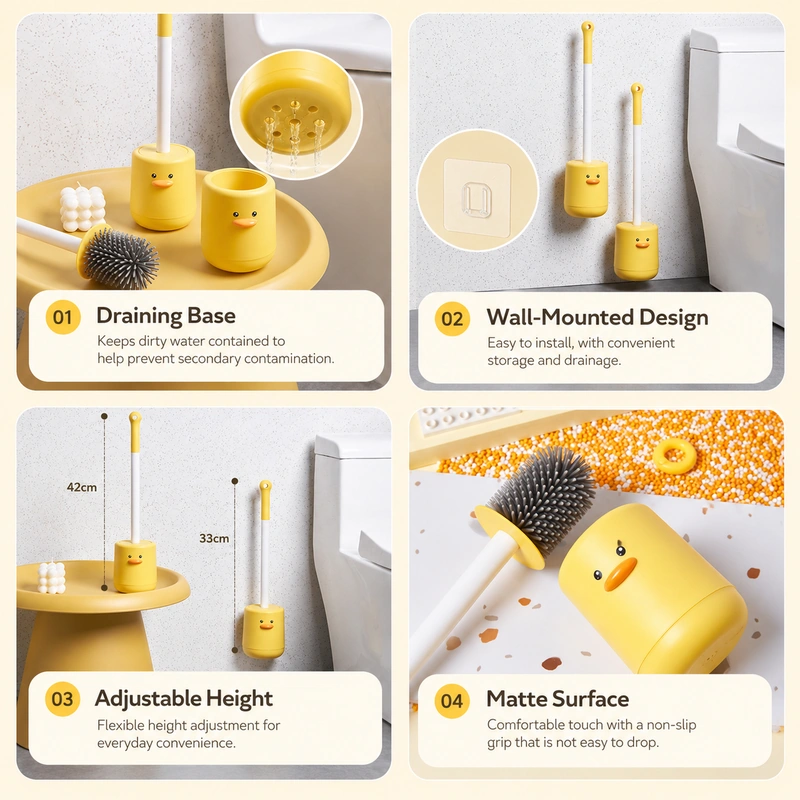
The yellow duck toilet brush is a full-size bathroom product rather than a pretend-play toy. Its friendly styling can make it relevant to family chore routines and character-shaped homeware collections.
It should remain clearly identified as a toilet brush. Age-appropriate adult guidance is recommended, especially when cleaners or disinfectants are involved.
| Product direction | Real task | Strongest B2B value | Likely channels | Guidance |
|---|---|---|---|---|
| Kids broom and dustpan | Dry sweeping and collecting light debris | Broad practical use | Montessori, preschool, supermarket, homeware | Use as intended |
| Giraffe broom set | Dry sweeping | Function plus stronger character appeal | Toy, gift, education, online retail | Use as intended |
| Airplane mop | Light wet floor wiping | Adds a new cleaning activity to the range | Family, preschool, Montessori, retail | Adult guidance recommended |
| Duck toilet brush | Bathroom and toilet cleaning | Functional homeware with family-friendly styling | Homeware, supermarket, bathroom, private label | Age-appropriate adult guidance |
4. Separate Dry Tools From Wet-Cleaning Products
Dry sweeping tools and wet-cleaning products create different sourcing questions.
A broom set is normally evaluated through bristle performance, debris collection, handle strength, and dustpan fit. A mop also requires buyers to consider water contact, floor compatibility, cleaning-cloth construction, drying, storage, and slipping risk.
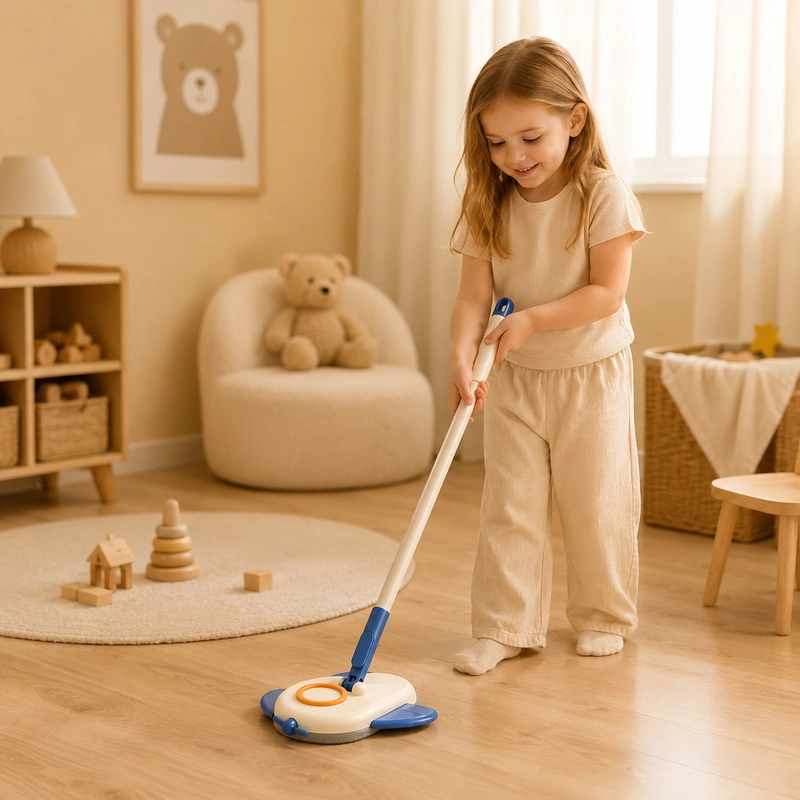
For this reason, a comparison of kids cleaning tools vs toys should not treat a mop as simply another broom-shaped play item. It introduces a separate activity and needs clearer use guidance.
5. Define User Guidance Without Unsupported Safety Claims
Product copy should avoid absolute phrases such as “safe for every age” or “no supervision is ever needed” unless those claims are supported by the relevant product documents and destination-market requirements.
Routine sweeping and supervised wet cleaning are also different from handling household chemicals. The CDC recommends storing and using cleaning chemicals out of the reach of children and following the product label. HealthyChildren, a website of the American Academy of Pediatrics, includes scrubbing toilets and cleaning the bathroom among possible chores for children aged 11 to 12.
This supports a practical distinction: children can take part in suitable household routines, but a toilet brush should not be presented as a bathroom toy, and cleaning chemicals should not be treated as part of play.
6. Do Not Let Character Design Replace the Product Category
A giraffe broom remains a broom. An airplane mop remains a mop. A duck toilet brush remains bathroom cleaning equipment.
Character styling changes how the product may be displayed and which customers notice it, but it does not automatically change the intended task. Accurate category wording helps buyers understand kids cleaning tools vs toys and helps search engines identify each product correctly.
This is also useful for private-label planning. A brand may use one visual theme across brooms, mops, brushes, and bathroom accessories, but every product still needs its own category, use description, and guidance.
7. Confirm OEM, ODM, and Private-Label Requirements
MAYEV can discuss customization directions for selected models, including logo application, product colors, brand graphics, printed patterns, cartoon styling, packaging, product assortment, and selected structural details.
Before requesting a quotation for a kids cleaning tools vs toys project, buyers should provide:
- Selected product or reference model
- Expected order quantity
- Target country and sales channel
- Preferred colors and character direction
- Logo position and artwork format
- Packaging and retail display requirements
- Required product and carton dimensions
- Any destination-market labeling needs
Final MOQ, packaging, customization feasibility, production details, and lead time should be confirmed according to the product, quantity, branding brief, and destination market.
Kids Cleaning Tools vs Toys: B2B Sourcing Summary
Kids cleaning tools vs toys should be compared through actual cleaning ability, dimensions, water contact, intended user, supervision needs, sales channel, and packaging position. A practical broom, a character-led broom, a child-oriented mop, and a duck-shaped toilet brush can all belong to a broader family cleaning range, but they should not share the same product description. A clear brief helps MAYEV recommend suitable colors, logo options, packaging, and private-label directions.
Frequently Asked Questions About Kids Cleaning Tools vs Toys
Are kids cleaning tools the same as pretend-play cleaning toys?
No. Some products mainly imitate chores, while functional child-sized products can sweep light debris or wipe a floor. Buyers should compare the construction and real cleaning ability rather than judging only by size or appearance.
Can children use functional cleaning tools for real household tasks?
Depending on the product and activity, yes. The broom sets can collect light debris, and the airplane mop can be used for light wet cleaning. The intended surface, age suitability, and guidance should be considered for each use.
Can a yellow duck toilet brush fit a kids cleaning range?
It can fit a broader family chore or character-shaped household concept, but it must remain clearly categorized as a functional bathroom product. Adult guidance is appropriate, and household cleaning chemicals should remain out of children’s reach.
Which buyers are suitable for these products?
Relevant buyers include Montessori suppliers, preschool distributors, supermarkets, homeware stores, toy and gift retailers, Amazon sellers, importers, distributors, and private-label brands.
What can be customized for a private-label order?
Depending on the model, buyers can discuss logo application, colors, graphics, patterns, cartoon styling, packaging, product assortments, and selected design details. Final options are confirmed according to the project requirements.
What information is needed for a quotation?
Provide the selected model, quantity, destination market, preferred colors, logo requirements, packaging direction, and any product or carton specifications. These details allow a more relevant quotation and customization review.
Build a Smart Family Cleaning Product Range
Compare practical function, character design, sales channels, and private-label requirements before choosing the final assortment.
Request B2B Product InformationYou can also explore MAYEV cleaning products.